Kiel Chenier has suggested over on G+ that for DM appreciation month (never knew there was one until now) DMs should waffle self-indulgently about useless things about their own game world. I need very little encouragement to waffle, so here are ten bits of trivia about the fantasy English Civil War:
1. As far as practitioners are concerned there are two sorts of magic; witchcraft as practised by uneducated peasants and sorcery, practised by educated gentlemen. In truth it is all the same; the same effects are achieved by both in similar ways. The chief difference is in language. Witches say their spells in English, with maybe a bit of old Anglo-Saxon, Cornish or Welsh, Sorcerers tend towards educated tongues like Latin, Greek, Hebrew and Arabic or even for followers of Dr Dee, Enochian, the language of the Angels. Though even that distinction is breaking down as since the Reformation more and more Sorcerers are finding that spells in vernacular languages work well enough.
2. If you are a magician researching spells you need a library, and many religious works are as good a source of magical knowledge as any. No magician in England is without a Bible (though the Old Testament is worth a mere 50sp for research purposes and the New Testament another 25sp) and the Talmud and Koran weigh in at 50sp each. Giordano Bruno got himself burned at the stake for openly saying that the Bible is a manual of magic, and if someone can divine all its secrets they will be a master of such. More abstruse religious works such as the Liber Divinorum Operum by Hildegard of Bingen or the Mirror of Simple Souls by Margaret Porete are worth a lot more as research material, but possession of such night be considered heresy by various churches.
3. Clerics can research spells as well, and they can often do so by reading the same kinds of books as magicians. The Bible and religious works are worth a lot more to them, but works by religiously minded sorcerers like Pico della Mirandola are pretty good too. Again the spectre of Heresy rears its ugly head. An Anglican who openly quotes the Koran while giving blessings is looking for a painful defrocking.
4. The Ranter prophet Abiezer Coppe is only 23 in 1642 when the wars begin in England, not long out of Oxford University, but he is already making his mark with his impassioned preaching and advocacy of free love and anarchism. One of his key slanders against the Anglican Church is his insistence that various Bishops are up to their eyeballs in witchcraft.
5. Sightings of mythical beasts have always been common in rural England due to a combination of excessively cheap ale and benighted ignorance. Now learned men are taking an interest in such matters, and there is a definite feeling that something awful is happening to the fabric of mundane reality. The Reverend Dr Samuel Fell, former chaplain to King James and supporter of King Charles, is interested in any such outbreaks and is rumoured to be sending exorcist spies to investigate them. He blames the Puritans for questioning the doctrines of the Anglican Church, but was himself a Calvinist in his youth.
6. Prince Rupert's dog, Boye, is a hunting poodle of a rare breed and is reputed to have magical powers, including leaping up and snatching musket balls aimed at his master out of the air. The Ottoman Caliph, Murad IV, wants one just like him and if you can dognap Boye for him he might award you some of his fabulous wealth.
7. Mother Shipton's prophecies are all the rage since they were published in 1641, and many a wacko theory of impending doom has been hatched on the basis of reading portentious poems such as: When pictures seem alive with movements free, When boats like fishes swim beneath the sea. When men like birds shall scour the sky. Then half the world, deep drenched in blood shall die. Watch out for the Hag's Head moths that have Mother Shipton's profile marked on each wing.
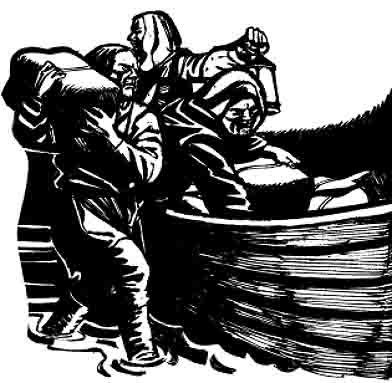
8. The Royal Navy is now Parliament's Navy, the whole lot mutinied and are having a whale of a time drinking themselves stupid in every port town in England. Trouble is that the Barbary Corsairs never went away - sure there were treaties to stop their razzias and slave raids but don't forget Jan Janszoon, the Dutch Muslim renegade, once took over the Isle of Lundy in the Bristol Channel and used it as a slave market for five years from 1627. They had better sober up and get back out on patrol...
9. Bermuda is run by the Somer's Isle Company, a collection of nobles who support the King. The Parliamentarian population of Bermuda may yet rebel; the North American tribesmen sent to Bermuda as slaves after the Pequot War in Massachusetts may still have some fight in them, if they can be induced to fight. Others have left with the Eleutheran Adventurers to establish a religiously free (ie Puritan) colony in the Bahamas, though the last expedition sent that way was lost...
10. Men can turn into wolves. It is a well attested phenomenon that during the German wars men who had seen too much of the blood and terror of those interminable campaigns, still raging on, have become conscienceless beasts and eat human flesh. And it wasn't just foreigners who were so weak, oh no, English and Irish mercenaries were known to partake of the anthrophagous feasts as well, and many such men have returned to England to fight for and against the King. It will be a savage war...
Sunday, 22 February 2015
Sunday, 15 February 2015
Scarabomancy
Ohe!
Let it be known among the wise that the ancient and most perfect art of Scarabomancy has been rediscovered and that lectures in such will commence in Tumissa on 12 Fesru, at the gong of Awakening in Azure at the Temple of Ksarul .
Herein I shall outline for the curious what this art entails, for in this decadent age few, even among the wisest of the wise the adherents of the Doomed Prince, have even heard of this most marvellous method of divination and interpretation of the knots of Skeins of Destiny.
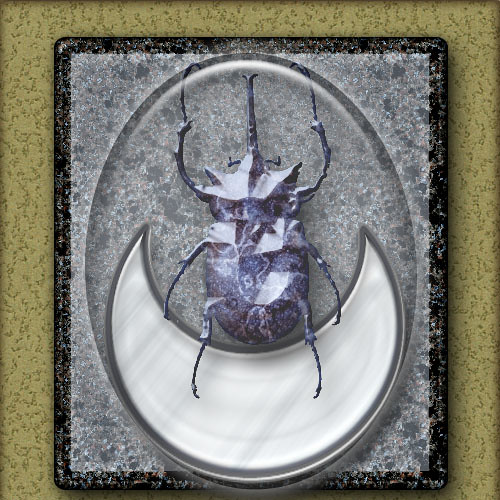
First you need a scarab beetle, obviously. This attractive little beetle is most sacred to Ksarul, master of the most mighty beetles that roll the planets and moons through the sky, and himself manifest in the great fireproof beast that moves the sun itself. Each scarab is, in a minute and most infinitesimal way, an aspect of Ksarul himself and thus can impart wisdom from beyond this most prosaic of planes.
Second you will need chalk and a bit of flat floor, and on it you shall inscribe the Ten-Fold Circle of Fate and the Fifty-Five glyphs of the Tongue of the Scarab (copies available from myself after the lecture, price 50 kaitars and worth every qirgal). The very best method is to permanently incise the Circle on the floor of a dedicated Shrine of the Scarab, but as the Provost of the Fabric of the Sacred Space has no spare rooms at the moment, I will instruct students in the use of Mriddu’s chalk.
Thirdly, you will need pen, ink and paper, and fourthly, the most important ingredient, dung. Most dung will do, chlen is ideal, but hma and hmelu do just as well. Do not be tempted to use human dung! It is easily available (all too easily given the woeful culinary standards of the Tumissan temple refectory) but the stench is awful, the consistency poor and it will make your scarab ill, if he can be persuaded to approach the stuff at all.
The procedure is as follows:
Ask the questioner (or yourself (but not out loud or people will think you mad (which I am not))), to state their request of the Mightiest and Wisest of Gods in no more than thirteen words and two symbols of punctuation. Write this question, in any language, scarab beetles are perfectly multilingual like their master, on a piece of paper two choptse wide by one hoi long and roll it into as tight a cylinder as you can.
Take a lump of dung, ten mlo will do nicely, but a weak or small beetle might only be able to cope with seven or eight, and roll it into a ball. Insert the question into the ball of dung and place it on the Glyph of Questioning in the very centre of the circle.
Take a Darsha leaf, and roll it round a mlo of Aira grass, a mlo of Chumaz, three mlo of Hnequ weed and a pinch (and believe me, only a pinch) of dried Urugal root. Set fire to the roll of herbs and inhale the smoke in Loruni fashion. When the room has stopped spinning, get your scarab and blow upon it the smoke. When the scarab has stopped waving its legs in the air and coughing place it on the circle at the Glyph of Wisdom (that’s the big square one).
Observe closely the path it takes to the question using the left eye, and then observe closely the path by which it rolls the ball of dung out of the circle using the right eye. Do not use both eyes at once! If this process takes more than two kiren you have probably used too much Aira grass. If you lose consciousness before the end of the process I suggest you use fresher Chumaz, and if you find yourself distracted by the green translucent Vringalu singing Pijenan drinking songs you have used too much Urugal root and should seek professional demonological help immediately.
By analysing the path of the sacred scarab it is possible, with practice, to determine with amazing accuracy the course of the questioners skein of destiny with respect to his question. So if you are asked ‘Ohe, shall I wed the handsome mat weaver or the ugly slave merchant?’ and the scarab crosses the Glyph of the Impaled Ahoggya, the Glyph of the Left-Centre Eye of the Zrne and then abandons its ball of dung on the Glyph of the Missing Finger and bites the questioner, the answer is of course neither you silly person, you are going on a long sea voyage in the course of which you will inevitably drown.
The many relations of Glyphs to knots of fate are detailed in the scroll ‘Key to the Skein of the Scarab, or Silly Answers to Stupid Questions’ by the mighty seer Arkha’anu the five-legged, who himself was a scarab, so he should know. Copies of this are being produced in the scriptorium of the Plume of White clan for those students willing to take ship on this barge of most excellent wisdom to its ultimate destination, the Sea of Fate itself.
Oh, yes, the last stage of the process is wash your hands.
Rusala Yi’isia hiNashomai, Friend of the Scarab, Twitcher of the Refulgent Blue Curtain and Kusijaktodali of the Temple of Azure Ambivalence, Teacher of Scarabomancy
All hail Ksarul!
Saturday, 14 February 2015
Yan, Tan, Tethera, Methera
I am currently re-reading a book I last read when I was maybe eight or nine, the Cuckoo Tree by Joan Aiken. It is set in an alternate 18th or 19th Century (it isn't clear which) and among the fine collection of grotesques and rascals decorating it's pages are a gang of Smugglers called the Wineberry Men. Aiken did her research well, smuggling was a big deal in England's past, and my own reading has shown that it is entirely plausible to suggest that the early 17th Century could have been it's origin as a big business.
Tonnage and Poundage
It was all
about the money. It had been traditional for centuries for Parliament
to vote newly crowned kings of England the right to levy 'Tonnage and
Poundage', customs duties on goods entering and leaving English
ports. King James I had however abused the system. He upped the
rates, levied extra surcharges and put the whole operation under the
control of customs farmers. These were consortia of rich merchants
and aristocrats who paid the king a fixed annual rent for the right
to take duties at ports; they of course hoped to make a profit, and
brought a keenness and rigour to the task that the easygoing Royal
officers had always lacked. However this early attempt to privatise
public services went about as well in the 17th century as
similar efforts have in recent decades; the system was full of
corruption and the new farmers were accused of all sorts of abuses,
but the king got a regular income and he had saved himself and him
ministers a dreary administrative burden so he was happy.
When his
son Charles came to the throne Parliament refused to vote him Tonnage
and Poundage until the abuses had been stopped. He carried on levying the duty anyway through the farming companies his father
had used. Parliament declared the imposts illegal and in not so many
words implied the king was a thief, one of the reasons Charles
refused to call a Parliament for over a decade, until his disastrous
handling of the Bishop's War in Scotland forced him to.
The Owlers
The chief
item being smuggled was wool. There had been efforts throughout the
later middle ages and Tudor period to transplant Flemish weavers to
England, but most English wool was still going to the continent to be
made up into cloth and wool duties made up most of the customs
income. The Owlers were smuggling gangs who spirited the stuff away
in the middle of the night, and hundreds of armed men were engaged in
the trade to fight off the privatised excise agents.
Woolpacks
Packing
wool for export involves compressing the rather low density fleeces
into compact packs by sticking it in a wooden form with a square jute
bag inside, stamping it down and sewing it shut. The packs are about
two foot by tow foot by three and are damned heavy – an oversized
item in the LotFP rules – and these are bound up by rope into
gigantic packs weighing twenty-six stones. The importance of the wool
trade to the economy is symbolised by the Lord Chancellor sitting on
a woolpack in Parliament.
They are
also ideal for smuggling. Once the pack is sewn shut no one is keen
to cut it open as it will be the devils job to get it all back in,
and all kinds of stuff can be hidden in the padded depths of a
woolpack. In the early seventeenth century sugar and tobacco were
starting to be brought into England from her newly founded colonies
in the Americas and Caribbean. There had always been a good trade in
imported wine, especially fortified wine like port and brandy –
tonnage was in fact 'tunnage', a levy charged per tun (barrel) of
wine.
Counting Sheep
Back when
the Anglo Saxons invaded the British Isles everyone spoke Celtic.
Over most of Britain the Celtic language died out and there are
remarkably few Celtic loan words in modern English, but somehow it
hung on in counting systems for sheep. There are many local variants
of this counting system and a gang of smugglers called the
Riggwelters (the local dialect for sheep on its back that can't get
itself upright due to a heavy fleece) in Lincolnshire use the words
as code names. From one to ten the numbers are; Yan, Tan, Tethera,
Methera, Pimp, Sethera, Hethera, Hovera, Covera, Dik.
Any, all
or none of the following reprobates may be members of the gang;
- The Vicar of Holbeach St Marks, the Reverend Dr William Toad. Toad is a local man, son of the previous smuggler 'king' who made enough money to send his son to Cambridge to study Divinity. William's position in the Church of England used to put him above all suspicion, but the local Puritans have no respect and openly accuse him of all sorts of crimes in the street, some of which are actually true. He's dying to have a couple entombed alive in woolpacks and dumped in the salt marshes in the local version of the mafia concrete boots, but prudence has so far stayed his hand; but with a war on all kinds of vengeance may be possible.
- Lucy Hay, Countess of Carlisle. A society beauty and cousin of the Parliamentarian general the Earl of Essex, Lucy's husband is one of the chief investors in the Yarmouth Customs Farm. Lucy goes through his papers tipping off her smuggler cohorts as to their operations. She got into the trade in her youth; her father is the Earl of Northumberland, who made deals with his local Owlers to get the wool from his estates to market without paying the King his cut. Lucy has gone the whole hog and become an Owler herself.
- Lionel Pepys, Norwich gadabout. Lionel learned witchcraft in his youth from his grandmother, being particularly adept at spells of charm and illusion. He lives a fine life among the provincial gentry and aspires to be published poet, while at the same time ordering his rival Owlers kneecapped with blunderbusses and gifting them mutton pies laced with scrapie infected sheep brain.
- Toby 'the Frog' Letchworth, customs clerk. Officially a customs officer, he went over to the Owlers long ago, and cheerfully abuses his position as Land-Waiter at Yarmouth to intercept goods being brought in by rival smugglers from abroad and appropriate them for himself. He usually haunts the 'Happy Flounder' alehouse in Yarmouth, an obese oaf with a broad grin who holds court in a backroom with his bewarted cronies. Actually immensely strong and can fold a silver sixpence in two round a whispered curse with his fingers, and have it planted on a man he wants harmed by a nimble fingered potboy.
- Diligence 'Ma' Lubbage, confectioner. Ma smuggles Caribbean sugar and spices from the far east and even chocolate, though the early 17th century version is more closely related to the bitter drink of the Aztecs than the modern sweet. Has an African slave working at her shop in Norwich who helps her cast spells and adds various dubious herbs to her sugar loaves to make them addictive and much in demand. Half hearted knife fights between podgy addicts have broken out in alleyways over her 'sweets'.
- Harry Dangerman, 'I am not the Sethera, I am a free man!'. Harry claims he is forced into being a smuggler by witchcraft but he may have just partken in too much of the potent hashish and opium he picks up from Levantine company traders in Amsterdam. Says he is haunted by the ghosts of dead rivals who follow him around with their mouths stuffed with wool and that he was once ambushed by a demon shaped like a great white bladder filled with air when he tried to quit the business.
- Piet Vanderboer, sea captain. Known as 'Vanderbastard' by his crew, Piet is a Calvinist who dresses in bible black and a fierce disciplinarian who will keel haul a man for picking his nose on deck. His rather unique theological view is that all tithes and taxes are inspired by Satan to prevent God-fearing merchants like himself making a living, and that the guilds of sailors and tradesmen who try and set wages and trade practices are devil worshippers. The Hidden Hand of God works his miracles of prosperity through markets, and his blessing is reflected in the gift of wealth to the Godly. More conventional types wonder if he has mistaken Mammon for Jesus, but he always has a suitable Bible quote to justify his many acts of fraud, piracy and murder.
- Lillian 'Poxy Lil' Lasalle, gun runner. Lillian was a much in demand prostitute until smallpox ruined her looks. She learned to hate the gentry and their wicked ways while she was on the game and is now an ardent Parliamentarian who brings in firearms from the continent to supply the various pockets of resisters in Royalist dominated areas like the South West and Ireland. She has contacts in the perfume trade in France and can source poisoned Eau de Cologne.
- Gerard 'the Giblet' Smethwick, butcher and poulterer. Runs his contraband overland on the backs of pigs with the aid of his swineherds and he and his confederates retail their smuggled goods in their butcher shops, just ask for the 'special meat'. Sometimes you will get just that, special pork-tasting pies with a good thick crust and plenty of pig-trotter jelly and maybe the odd toenail.
- Michael Maunder, publican. Runs the 'Fighting Cock' alehouse known for its cheap beer and lively cockfighting scene. Will dope his own birds on 'Colombian snuff' and watch them rip the shreds out of his rivals and then offer the losers the chance to work off their gambling debts by carrying a woolpack for him. Woebetide someone who dies not play their part, Michael is a witch with a talent for spells of seeking and finding, and marks all his packs with rune carved magic bones for easy recovery.
Monday, 22 December 2014
God Forgot
I first became aware of the islands of God Forgot in Glorantha when I read the Runequest Companion article on the Holy Country over thirty years ago. Since then the only substantial thing I have seen published on the place was the uninspiring Mongoose Clanking City book, which I am going to utterly ignore. So, based on snippets from the Guide to Glorantha and the ancient Companion, here is my utterly uncanonical take on the islands that God Forgot.
Where did God Forget?
The islands of God Forgot
in the Holy Country are bleak, windswept and flat, with many
windmills and small farming villages and a couple of small cities.
The Ingareen, as the
natives call themselves, say they colonised God Forgot back in the
Godtime, they came from Brithos on a giant Waertagi Dragonship to
find a land devastated by wars between sorcerers who had grown too
big for their boots. These sorcerers claimed to be 'deities' and demanded that
lesser beings give them power in a nefarious magical pyramid scheme.
The Ingareen scoffed at this nonsense (though they admired it's
ingenuity) and in a mighty battle slew the contending 'deities' and
incorporated the liberated mortals into their eminently logical and
peaceful society, based on the Logical Laws that Malkion drew up before he went bonkers and started ranting about the 'Invisible God'.
While neighbouring theist
peoples say that Chaos killed the deity of the island, the Ingareen
insist it was them. The theists are uncomfortable at this and say no
mortal can kill a God, must have been another God that did it, or the Devil, and living without
a deity has obviously addled the Ingareen's brains. The Ingareen say
bullshit, 'mortals' can become immortal if they follow the Logical
Laws, and gods are eminently killable, it has happened on
several occasions within time. Even that Orlanth feller you hairy
hooligans think so much of has been done in on several occasions...
and yup that's a nice sword you have there mate, blessed by the death
god you say, we'll just be shutting up now...
The Ingareen have been on
the wrong end of a crusade before. During the Second Age a good part
of their population became Zistorites, operators of the so-called God
Machine. It was not regarded as a deity by the Ingareen of course, it
was merely a bloody great machine that they had built, but so awesome
were its capabilities that the theists thought it was a God, and an
evil one at that. The Iron Crusade that followed was a nasty business
that left the islands devastated and the land polluted. The Ingareen
have been careful ever since not to provoke another.
Culture and Caste
The Ingareen follow the
old atheist Brithini way of life. In lost Brithos and in Arolanit and
other colonies close adherence to the Logical Laws of Malkion results
in immortality, but in God Forgot people are no longer sure just what
the Logical Laws are. The Zistor business, the God Learners who
helped it along and the attempt to obliterate their culture that
followed have all left the Ingareen with mere fragments of the Laws,
and most are convinced that they probably wouldn't work any more even if you
tried, at least not on God Forgot's devastated soil.
Dronar
The lowest caste are the
Dronar or peasants. In accordance with Brithini laws they are
illiterate, banned from using magic and using weapons and armour,
wear modest identical brown smocks and flat caps and are members of
craft guilds. A very few actually follow these laws to the letter,
but most others consider the literacy laws to cover the Brithini
language only and can read Heortlander, Tradetalk and the other
'foreign' languages of the Holy Country, regard the 'magic' referred
to as being Ancient Brithini Sorcery only and make free use of folk
magic and even sorcery spells that have been developed within time.
The wealthiest have 'brown smocks' of expensive fur with gold
collars, velvet flat caps with gold pins etc. They only use
agricultural and craft tools. like wickedly sharp sickles, billhooks,
heavy spiked masonry hammers, long thin chisels that look a lot like
stillettos etc. and of course the bronze rings sewn into the lining
of their leather tunics are an old herdsman's trick to avoid goring
by bulls.
Horal
The Horals, or soldiers,
are likewise banned from conducting a trade or craft or owning land,
and are also supposed to be illiterate and unable to use magic, and
must wear red uniforms. However there is nothing stopping the warrior
families getting 'donations' from the other castes and nothing
stopping them threatening violence if the donors refuse to pay up.
The Horals do not 'own' lands, they just have certain territories
within which other castes choose to donate a certain proportion of
their income in appreciation of the soldiers performing their
traditional role of protectors and also not stabbing them. The Horals
have six 'legions', which are somewhat like mafia families operating
a few monopolies in certain varieties of extortion while competing in
others. They all also operate mercenary regiments which fight abroad.
Ingareen Horals are efficient fighters, and are the only ones in
south central Genertela to make use of the crossbow. They also make
use of Folk magic and many have taken up Sorcery in a small way as
well on the same terms as the Dronar. They do not believe in the
afterlife and are experts in defensive tactics and manoeuvring
enemies into well prepared ambushes and massacres. While the Humakti
of neighbouring Heortlander tribes may scoff at them for their
supposed cowardice they are not in the least bit keen to face their
pike squares and withering crossbow fire.
Zzaburi
The Zzaburi can use magic,
though they are banned from using armour and weapons. In the far west
Brithini Zzaburi disdain Folk Magic, but Ingareen wizards make free
use of it and have researched lots of extra little cantrips and
charms not seen anywhere else. Their use of traditional sorcery is
limited though, they lost almost all their Grimoires in the aftermath
of the Iron Crusade and have pieced together what sorcery they have
from their own research and from half recalled fragments. They have
gone on expeditions to the western lands to try and regain their lost
knowledge, but have found the snooty 'real' Brithini and deluded
Seshnegi and Fronelans utterly unhelpful.
The Zzaburi may not have a
religion but they do have an Inquisition. Anyone dabbling in mechanisms or
magic enchantments is thoroughly investigated to ensure they do not
fall into any of the old Zistorite ways and unleash the Crusade
again. Leonardo the Scientist, the best known dabbler in such
matters, sails very, very close to the edge with many of his devices
but his insistence on never making more than one of an item and
avoiding mass production seems to be working so far.
The Talar
There is only one
surviving Talar and he is the only true immortal left in God Forgot. He
lives in a hermetically sealed glass box in the throne room of the
vast Forbidden Palace at Jon Barat (Talar Hold to outsiders), where
numerous ministers and wizards scrutinize him closely for omens as to
what he wishes them to do in his name and what fate awaits the
country. For example, a tiny amount of condensation was seen on the
interior of the box, presumably from the Talar exhaling a breath
(though he has sorcerously Abjured Air for centuries) and there was a
terrible hurricane in the southern part of the islands the next day;
when one of his mightinesses few remaining strands of hair fell out
it signified that a tranche of royal forest must be felled; when his
mightiness acquired a slight fungal infection above his left eyebrow
and a rash appeared on his wrinkled forehead many Ingareen died of a
plague. In 1312 the omniscient Talar predicted the arrival of
Belintar the Stranger by dropping his scepter onto the floor from his
withered hand, though it took months of debate to work out just what
he had meant by this gesture, and whether it would be proper to
replace the scepter in his mighty hand with aid of glue.
The Talar has not in fact
moved, spoken, eaten, drunk or defecated since at least the year 917
when he took up full time residence in his box. Cynical foreigners
say this seclusion coincided with the arrival of a delegation from
the wronged and oppressed people of the rest of Kaethela, there to
put him on trial for his part in the creation of the God Machine, but
his loyal advisers say it was part of a mighty spell to preserve the
nation from further devastation from the natural forces that had been
twisted and abused by the Crusaders and, regrettably, Zistor's
murkier mechanisms as Mistakes Were Made.
Philosophy, Mathematics and Religion
The Ingareen may not have
a god, but that doesn't mean they don't have belief. Various books of
philosophical musings, hints on self-improvement and outright
gibbering lunacy have been written since the disaster of the Iron
Crusade, all purporting to contain true interpretations of Malkion's
Logical Laws and thus the key to eternal life and ultimate sorcerous
power. Their effectiveness varies considerably – usually the more
erudite ones written in ancient Brithini and read by educated wizards
appear to extend the lifespan by a few years, but then wizards tend
to be better off and have an easier life; the common ones written in
Tradetalk or vulgar Ingareen make little difference at all.
Each is still a grimoire of its
own though, with sorcerous spells of varying effectiveness and often folk magic and other magical effects besides.
The Ingareen are also
obsessed with luck and fate, and why theirs has been so universally bad. They say that the logical laws used to
be absolutely effective in all circumstances but now there is only a
chance of them working, and they have developed relatively sophisticated
statistics to analyse this variability. This interest in chance has also led to an addiction to
gambling, and they are vulnerable to any number of silly superstitions that
will supposedly bring 'luck'.
The Dronar and Horals
actually depict this luck as a lady on various casino advertisements
and lucky charms available in Casino Town and there is even a shrine
to 'Our Lady of Credit, she who giveth and taketh away', though it
looks more like a shop full of one armed bandits with a loan sharks
office attached. There are foreign shamen who claim to have summoned
her as a spirit though, and a few really down at heel Ingareen
gamblers have actually prayed to her – God Forgot might be
acquiring a deity whether it wants one or not. Her symbol is a
double-tailed coin, such is the fatalism of the Ingareen.
Creating an Ingareen character
If using RQ6 , Ingareens
are Civilised, and always have the option of choosing Gambling as one
of their Cultural Professional skills. If you are a Zzaburi you can
learn Lore (Mathematics) on the same basis.
They roll for Social
status on the following table:
01-02 Outcast – you have
lost it all in the Casinos and have had to leave God Forgot before
the money lenders break every bone in your body or, even worse, drop
you off in the Clanking Ruins to fetch them a cursed technological
artifact or die trying. Money x0.25
03-30 Poor Dronar – You
grew up a peasant on some forsaken patch of infertile mud in the
shadow of a Wizards tower or Soldiers fortress. Money x0.5
31 -60 Rich Dronar – You
lived in a more prosperous village or perhaps in the towns of Jon
Barat, Casino Town or Refuge. Money x1
61-86 Poor Horal – You
are a townsman and a footsoldier in one of the legions/ protection
rackets that form the backbone of modern God Forgot society. Money
x1.5, if you make a Gambling skill roll x2.5
86-90 Rich Horal – You
are part of the ruling family of one of the six legions. You grew up
in reasonable wealth and comfort with foot soldiers at your command
and maybe a fief to extort money from. Money x2.5, if you make a
gambling skill roll x5.
91-00 Zzaburi – You are
a wizard, you grew up in reasonable wealth and if you are male you
will almost certainly have been educated in the High Brithini
language and in sorcery. The wizards are not so keen on daughters and
will be looking to marry you off to a wealthy Horal who can pay a
decent dowry, you will still have more education than a typical
Ingareen, but your father and his cronies will throw a fit if you
actually practise any magic. Money x 2, if you make an Influence or
Bureaucracy roll you have a job working for one of the Companies or
the Talar's court and get x4.
Sample superstitions
If an Ingareen breaks one of his superstitions he will lose a Luck point, if he performs a lucky act then he has a 50% chance of gaining a Luck point, other acts may have a 50% chance of loss or gain. Tempting fate in any way will assuredly result in bad luck. Any Ingareen may take Superstitious as a Passion and may be affected by it positively and negatively as random omens appear in his environment.
1 Black cat crosses your path, gain 1 luck, if it hisses at you lose 1 luck.
2 Always give a clack to a beggar, if he wishes you well you will gain luck, if not you lose.
3 Spit at the Red Moon when you see it, it may thank you for the gift of water, or it may curse you for your rudeness.
4 Never tread on the cracks in a pavement, or break a twig under your feet. Dance ten yards on cobbles and you will have bountiful luck the rest of the day.
5 Your lucky colour is black/red/blue/green/orange/yellow etc. always wear a garment that colour and look out for others wearing it.
6 Never face into the wind when walking, choose a different, circuitous path if you have to, or tack like a ship.
7 Never whistle on a boat, never hum on land, and stop your ears if you hear someone doing it.
8 Bare your head to the sky every morning, the heat of the sun will warm your brain. If it happens to be raining you will have bad luck, don't bother going out unless you have to as you will catch a chill.
9 Never give anyone a knife as a gift and never accept such. The edge will cut the bonds of friendship.
10 Never sheathe a blade that is unblooded or it will break next time you use it.
And many more are possible.
Example Brotherhood : Company of the Sable Star
Open to the Horal caste
only, the Company of the Sable Star are one of the five controlling
legions of Casino Town (the sixth legion are the Talar's palace
guard). They have a straightforward approach, give them money or face
extreme violence, nothing fancy, and they run their casinos, streets
and fiefs round God Forgot with a brutal iron fist in an iron glove
policy. The runes associated with the Company are Darkness and Law.
They also have a mercenary
regiment available for overseas service, a mix of pikes and heavy
crossbows that deploys in more or less static formations with a
generous body of engineers to build fortifications.
The Company believes that any fight where you face into the sun will be lost and take care when setting up their formations that this is not a possibility. They will even retreat on a sunny day to avoid the possibility arising, and hire theist shamen to control the weather to ensure it is overcast on the day of battle.
They teach the Folk Magic
spells Protection, Might, Bludgeon, Darkness and Shove.
Skills: Crossbowman combat
style (includes Mace), Pikeman combat style (includes Mace), Lore
(Strategy and Tactics), Endurance, Willpower, Athletics
Example Grimoire: Oblivion Awaits Us
'Oblivion Awaits Us', a
series of meditations upon the nothingness that comes after death,
how to avoid it and how to get as much wealth as possible before it
comes. Written in Ingareen, many adherents memorise spells by rote
learning from a 'reader' of the text. The sorcery spells are learned
'in order', so novices will learn Sense Silver first, then Bypass
Armour etc. The runic associations are Death and Stasis.
The Trap Soul spell is
used on souls of fellow followers of the 'Oblivion Awaits Us'
philosophy to avoid them falling into utter nothingness. They are
trapped in little stone figures, preferably a black stone like slate,
black marble or basalt and are buried in secret unmarked locations
for fear that evil sorcerers might unearth them and Tap them for
power.
Special Power: Resist
Discorporation – add 1/5 of the skill in Invoke (Oblivion Awaits
Us) to any save vs any magical attack that tries to forcibly detach
the spirit from the body.
Folk Magic: Appraise
Sorcery spells: Sense
(Silver), Bypass Armour, Damage Resistance, Protective Ward, Trap
Soul
Those who follow the book often believe that unless they put a handkerchief over their mouths when asleep their soul will leave their bodies and wander off in the night never to return.
The Ingareen and the Esvulari
The closest neighbours of the Ingareen are the Bandori tribe, who are Esvulari and follow the Aeolian Church. This church believes in the Invisible God and that Orlanth is his chief manifestation here on Glorantha with the many deities of the Heortish pantheon as Saints. The city of Refuge at the mouth of the Bandori River has a majority Ingareen population with a substantial Esvulari minority.
The Aeolian Church dates back to the First Age invasion of Arkat, but it got a big boost at the climax of the Iron Crusade when Orlanth himself manifested and personally slew Zistor the Machine God. Many previously skeptical Ingareen converted to Aeolianism on the spot. There was a bit of a civil war among what was left of the Ingareen population and lands on the Genertelan mainland and the islands of the eastern Choralinthor Sea were lost to the Talar, only the city of Refuge remaining out of these possessions.
Since then the Esvulari and Ingareen have both been treated with suspicion and mistrust by the theist majority in Heortland and have become more or less allies. Each suspects the other of rank heresy and probable insanity, but these days they only argue theology over a pint of ale rather than fight wars and will unite in the face of polytheist oppression.
Thursday, 4 December 2014
The Uncanny Threat of the Morris
In 1644 Parliament banned
Morris dancing. They banned a great deal else at that point as well
such as maypoles, Church Ales and the other entertainments mentioned
in the 'Book of Sports' reissued by King
Charles in 1633. This book listed the pastimes permissible on a
Sunday after church and was intended by King James, who first
published the book in 1617, to stop everyone piling down to the
alehouse as soon as the service was over by giving them something
else to do.
It also berated Catholics yet again for not attending C
of E services and rebuked the Puritans for not allowing any pastimes
on a Sunday. It did ban the most boisterous of games – bull and
bear baiting, putting on comic 'interludes' and bowling – but
allowed archery, dancing, leaping and vaulting, and allowed May-games,
Morris dancing and maypoles.
But all this was too much
like fun for the Puritans, who were later to go on and ban Christmas
and all the other traditional church feast days in favour of once
monthly 'Thanksgivings' and provoke anti-Parliamentarian riots.
But what is Morris dancing
anyway? Why ban it?
We are told it is English folk dancing performed
on May day by middle aged blokes with beer bellies waving white
hankies, wearing floral wreaths in their hats and bells on their
legs. It is all a bit silly, but being traditional and usually
accompanied by lots of strong beer to give the participants the
confidence to make utter fools of themselves it is kept up
regardless.
The Truth!
- Morris dancing isn't traditional. The earliest records go back to the 15th century – old but not hoary pre-Christian old.
- It isn't English. The name 'Morris' is a corruption of 'Moorish', ie North African, and related dances are found all over Europe in the 17th century and 'Moresco' dances are still performed in northern Spain today. Some routines bear a distinct resemblance to West African dances.
- It isn't a 'folk' dance. It was originally performed by professional troupes for such august personages as King Henry VII and at feasts of the Goldsmith's Company of London. It is still a paid job in the 17th century. Cromwell made a speech in Parliament condemning it as a form of begging, the dancers picking up tips for performing, and the 'blackface' make up worn by some dancers, while it may be reference to the Moorish origins of the dance, may well also be a form of disguise so farm workers could hide the fact they were moonlighting as Morris men from their bosses.
The Inner Secrets of the Morris Revealed!
Any of the following may
be true. On the other hand none may be, or perhaps they all are in
some form or other.
- It is a bit of drunken rural fun. The dances are easy enough to do and when it fell out of fashion amongst the wealthy in the 16th century the troupes went on tour round the country fairs and it just caught on.
- It is a form of actual sorcery which enables a group of low level magicians to combine and magnify their power. Various spells are encoded as dances including Invisibility, Summon, Sacrifice and Protection from Evil. Not every troupe can do this, but those which have been infiltrated by witches covens can. Both men and women can do Morris dancing, though sides which are are male or are all female are more magically effective, especially if they corss dress as the opposite gender.
(Sinister eh? You can see
why it was banned...)
- The Morris was originally brought to Europe when the Reconquista in Spain destroyed the cosmopolitan culture of Granada and the West Africans who performed the dances were forced to move on to pastures new – initially Italy, then the Holy Roman Empire and northern Europe and England. Strange old West African gods are invoked – the blackface isn't mere make-up or a disguise, it is an invocation of African animist spirits that may take control of a 17th century English dancer in a Voodoo possession, and one or two troupes still have the wooden masks used by the original pagan priests. The 'hobbies', the dancers who wear a costume based on a mythical beast can physically transform into that creature of legend and nightmare.
- The Catholics have always been more relaxed about festivals and celebrations than the miserable Puritans – it is noted that during Elizabeth's reign Catholics sometimes betrayed themselves with the lavishness of their celebrations of Christmas, and while the sober Protestant advisers of Edward VI and Elizabeth advocated bans on Morris dancing and maypoles, those of Queen Mary allowed them. The Morris men are in fact Catholic plotters, a cunning way for Jesuits to travel the country openly. The 'fools' in ragged motley who often accompany the dances giving out farthings and sweets are in fact priests giving out Hosts, and each festival ends in a secret mass.
- Most of the dances and songs off the Morris are jolly bucolic tales of ploughing and chasing farmer's daughters, but not all. There are sword and 'rapper' dances that have a more martial air. One, the stately Grenoside Sword Dance, is a tamed version of a rite of human sacrifice where the leader of the troupe is decapitated by the other six members to create magic swords. This has only been used once as far as the current holder of the secret, Gilbert Earnshaw, knows, when Alan de Moulton sacrificed himself to create magic blades intended to slay King Richard III at the Battle of Bosworth Field in 1485.
- The energetic Rapper sword dances use a flexible sword and are in fact a form of martial arts training. The 'Rapper' is a blunted practice form of the Indian Urumi sword and a master of these dances could, if he so chose, mince you in nothing flat. No one in the Royalist armies take these yokels seriously as yet and think they are a bunch of Durham peasants after a bit of the King's silver for nowt. However the Scots Covenanters who occupied the north west of England lost many men to mysterious stealthy attackers in the middle of the night, and though they never made the Morris dance connection (and let's face it, who the hell would?)
- Morris dancing is more fun than it looks. Even the Undead have been known to participate.
Thursday, 20 November 2014
Black Dogs in Balazar
My last post was on the
Barguests, the ghostly black dogs of Britain, and +PT on Google+ asked me do do
a Runequest version.
It just so happens that I
had already had the basics done, there being a lot of spooky dogs in
Glorantha. They come in a wide variety of sizes; some are spirits,
some are daimones there might even be essences that manifest as dogs.
In
Balazar black dogs are usually nothing to be scared of. As I mentioned
in the post back in August 2012
(http://expanduniver.blogspot.co.uk/2012/08/dogs-in-balazar.html),
there are a number of dog breeds with a variety of skills.
In Balazar it is extremely
common for a shaman's fetch to manifest as a dog, but dogs can also
be shamen in their own right. Dogs kept by Brother Dog shamen can
become 'awakened' and achieve human levels of sentience, and even
become heroes.
Awakened Dog
A dog that gets the maximum
score in INT, POW and CHA is considered enlightened and among the
approximate 1% of Gloranthan animals that can talk. It will gain a
further 1d6 in each of these stats.
Balazaring Dogs will be
Primitive, gaining 100 cultural skill points. They may take Folk Magic as an
addition to the Primitive Professional Skill list.
Professions available are:
Hunter, Physician, Scholar, Scout, Shaman, Thief, Warrior, and dogs
owned by the White Goat clan have the option of being a Herder as
well.
All Balazaring Dogs may
spend Bonus skill points on Binding (Brother Dog Tradition) and
Trance.
Awakened Dogs do not need
to use fetishes, their spirits will inhabit their teeth, which will
magically acquire tiny carvings when so inhabited.
Awakened Dogs who live
independently of humans will spend their time caring for stray dogs
and human children, and may help a tribesman who has become lost in
the wilds. They also patrol the plains looking for creatures of
chaos, and will band together in a pack to hunt them down, or seek
out a human tribe to inform of the danger. They are often able to
smell out criminals and will hunt down those who have murdered their
kin. They gather on the perimeter of tribal camps to howl when a
notably evil member of a tribe dies and will pursue and hunt down his
spirit in the spirit world as it flees his body. They also gather to
honour great shamen, and guard their mortal remains during sky
burial, at least until the funerary rites to inter the naked bones in
a burial mound.
Awakened dogs do not learn
the skill Obey Orders, they may follow any order they have the
language skill to understand of any complexity and quite frequently
come up with plans and issue orders to the humans in their hunting
party.
Spirit Cult of Brother Dog
Follower
Any Balazaring, human or
dog, may be a follower of Brother Dog, and bind up to ¼ of their CHA
in Dog Spirits. Being a member is simple, look after your own dog (if
you are a human) or look after your own human (if you are a dog). May
learn Train Dog or Obey Orders, Dogspeech and Speak Balazaring. Dogs
are limited to INT+POW %age in Speak Balazaring unless they are
awakened.
Spirit Worshipper
Must have 50% in five of
the following skills: Train Dog, Obey Orders, Dogspeech (if a human)
Speak Balazaring (if a dog), Survival, Athletics, Bite attack, Track
by Scent, Endurance, Folk Magic, Binding (Brother Dog). They may bind
up to half their CHA in dog spirits.
Shaman
Must have 70% in four
skills which must include Binding (Brother Dog) and either Dogspeech
or Speak Balazaring, depending on species. A Shaman may summon a
Brother Dog fetch. This will always have Manifestation as one of its
abilities, appearing as a dog. If it has the shape change ability in
addition it will enable a dog shaman to temporarily appear as a
human. They may bind up to ¾ of their CHA in Dog Spirits, and they
may go on a spirit quest to bind one of the heroic powered spirits
noted below.
High Shaman
A High Shaman needs 90% in
three skills, one of which must be Binding (Brother Dog). A High
Shaman may summon Dog Ancestor spirits, which can be bound into their
living descendants to create Awakened Dogs. This is no easy task, as
an ancestor powerful enough to do this is at least Intensity 4, and
must be willing to lose a good part of its Power in order to become
mortal again. They may bind all of the CHA in Dog Spirits.
Special Spirits of Brother Dog
These spirits may be found
after quests into the spirit realm and bound there if the Shaman has
the skill and the standing in the Brother Dog tradition. Most may be
used by humans as well as dogs.
Detect Kinslayer, Intensity
4, Geas: Never let a kinsman down, dog or human.
This Truth rune spirit
enables a shaman to detect the odour of guilt on a person who has
slain a member of their own tribe. There is no obligation to take the
person to task for this, though independent dog shamen often do.
Spirit Hunt, Intensity 4,
Geas: Never let prey escape.
Makes Trance skill rolls
one step easier when hunting down a specific spirit in the
otherworld, enables the hunter to add their Trance critical range to
their tracking skill as they can follow the prey's spiritual traces
as well as is scent and can allow a spirit hunter to enter a trance
and follow a trail as a disembodied spirit for up to 1km per point of
POW. Linked to the Spirit rune.
Giant size, Intensity 2 + 2
per d6 SIZ+STR gain, Geas: Never obey a smaller creature or one with
less CHA.
Can only be used by dogs,
this spirit is linked to the Earth rune and enables them to grow to
sizes comparable to or even larger than humans adding at least 1d6 to
STR and SIZ and 1d3 to CHA. Dogs with this spirit become very
assertive and will not obey anyone smaller than it is, regarding
itself as a free agent and perhaps the master of any human it comes
across.
Howl of Darkness, Intensity
4, Geas: Only hunt at night
This spirit is linked to
the Darkness rune and makes the fur (or hair) of the shaman go jet
black giving it +10% Stealth at night. It allows use of the Theist
miracle Fear at an intensity equal to the Binding (Brother Dog)/10.
At night the spell has +25% intensity, and if a pack of dogs joins in
they add their Binding (Brother Dog) crit range to the intensity as
well.
Eyes of Light, Intensity 3,
Geas: Only hunt by day
This
spirit is linked to the Sky rune and makes the fur (or hair) of the
shaman go yellow. It enables the shaman to see twice as far with
clarity by day, makes all visual perception rolls one step easier,
and gives use of the Folk Magic power Witchsight at will for no mp
cost. Only shamen descended from the Golden Legion of Balazar or one
of their loyal guard dogs may use this spirit; roll (Cha+Pow+Str+10)
or less to be such a descendant.
Telmor's Foe, Intensity 4, Geas: Never let a wolf escape
This spirit embodies Brother Dog's enmity for Telmor the Wolf. Dogs with this spirit develop a white patch somewhere on their body, since this is the colour of the sky spirits and this spirit is linked to the sky. The dog gains 4 AP vs any attack by a wolf or werewolf, reduces any dmage from attack by a wolf spirit by 4mp, may attack a wolf with its normal bite as if a magical weapon, may try and sniff out werewolves in human form using perception and gains one step easier in any task to track a wolf. Needless to say the Grey Wolf tribe of Balazar do not use this spirit, as its powers work equally well against their totem spirits. They insist that Telmor was Brother Dog's father and that Brother Dog spared the wolf after he and Foundchild hunted him down so as not to kill kin.
Two
Stone spirit, Intensity 3, Geas: Hunt one reptile a month
This spirit is associated
with the Storm rune and makes the fur or hair of the Shaman turn
orange-red. The shaman becomes able to smell the winds and, if the
wind is strong enough, tell what lies miles away upwind. The shaman
also does once dice step greater bite damage to reptiles and
dragonkind, any any bite against such a target has a chance of
paralysing the location hit for one round. This manifests as sparks
of lightning.
This spirits can only be
gained by visiting the shrine at Two Stone and starting a quest from
there into the frozen land of the hurricane giants of the Three Little Giant Mountains where gales mutter and curse forever through the canyons and glacier carved glens, resenting their banishment from the lowlands by Balazar.
| Approaching Two Stone across Balazar's East Plain (Albert Bierstadt) |
Two Stone
This sacred site is in the
Brothers Hills, where the three sons of Balazar took refuge while
their father went with the True Golden Horde to Dragon Pass to kill
the Dragonewts. It consisted of three stones, one for each brother,
but one, to the south, has fallen and shattered.
The ground within is marshy
and wet and lies a couple of feet below the surrounding hill top.
Above it is a permanent thundercloud, and the whole area feels tense
with electricity, as if a thunderstorm is about to be unleashed. The
area is closed off by carved wooden posts strung with painted bison
hides to make a sacred enclosure, and is only entered by a wooden
gateway to the west. Just outside this gate are a few stone beehive
huts where two shamen and their families dwell, with an enclosure for
a small herd of goats (the local White Goat clan are unusual in
herding these animals), and shelters for a pack of red mastiffs.
The shamen warn people not
to venture within the sacred enclosure beyond the stone step they
have built just inside the gate. Those with Trance or Spirit Sight
will be able to see why, a huge red mastiff paces beneath the ominous
cloud and if anyone gets too close it will bark a warning and then
savage the trespasser.
Legend has it that this
spirit is Grozak, Balazar's own personal guard dog that he took to
Dragon Pass with him, and the only Balazaring spirit to return from
the Dragonkill war with news of the disaster. The stones represent
Trilus, Elkoi and Dykene. Elkoi's is fallen; he was the first to fall
out with his elder brother Trilus and was banished into the Elder
Wilds, from whence he returned with a group of giants who built him a
citadel of his own. The storm cloud represents the enmity of the three
citadels, prophets say that when the storm finally breaks, Balazar will be
plunged into its worst war yet, and when it clears there will be
peace between the three citadels forever.
Scholars will note that the
stones bear a remarkable resemblance to the Dragonewt plinths of Dragon Pass, though far
more weathered and battered and miraculously one has actually broken;
they are commonly thought to be indestructible. Getting close enough
to confirm this with the bloody great dog there won't be easy though.
Grozak, huge Red Mastiff
Wraith-Shaman
STR 48
CON 18
SIZ 35
DEX 10
INT 18
POW 42
CHA 12
AP 3 SR 14 Armour 3 points
Brawn 166%, Willpower 120%,
Evade 20%, Endurance 128%, Howl 126%, Bite 116%, Binding (Brother
Dog) 126%, Trance 128%, Perception 120%
Attacks
Spirit damage 1d8+1d6
Bite 1d10+2d8
Howl – Willpower save or
flee in panic, Brawn or Evade save or fall over.
Spirits
Great Bite Intensity 4 Int
7 Pow 25, Dog Spirit, +20% Bite attack
Crusher Intensity 4 Int 5
Pow 30, Dog Spirit, Special Effect – Break weapon
Greyhound Intensity 4 Int 7
Pow 25, Dog Spirit, Boost Action Points +2
The Loper Intenisty 4 int
11, Pow 28, Cha 7, Guardian spirit, Spectral Combat 85%, Willpower
106%
Yipper Intensity 3 int 10,
Pow 19, Cha 10, Guardian spirit, Spectral Combat 79%, Willpower 88%
Blaster Intensity 3 Wind
elemental spirit
Howler Intensity 3 Wind
Elemental spirit
Requires a magic weapon to
affect in the same manner as a Wraith, and all wounds it causes are
permanent and will not heal.
It has the abilities of a
Two Stone Spirit – its bite damage is enhanced against reptiles and
can paralyse and it can smell approaching enemies on the wind from
almost anywhere in Balazar.
Subscribe to:
Posts (Atom)